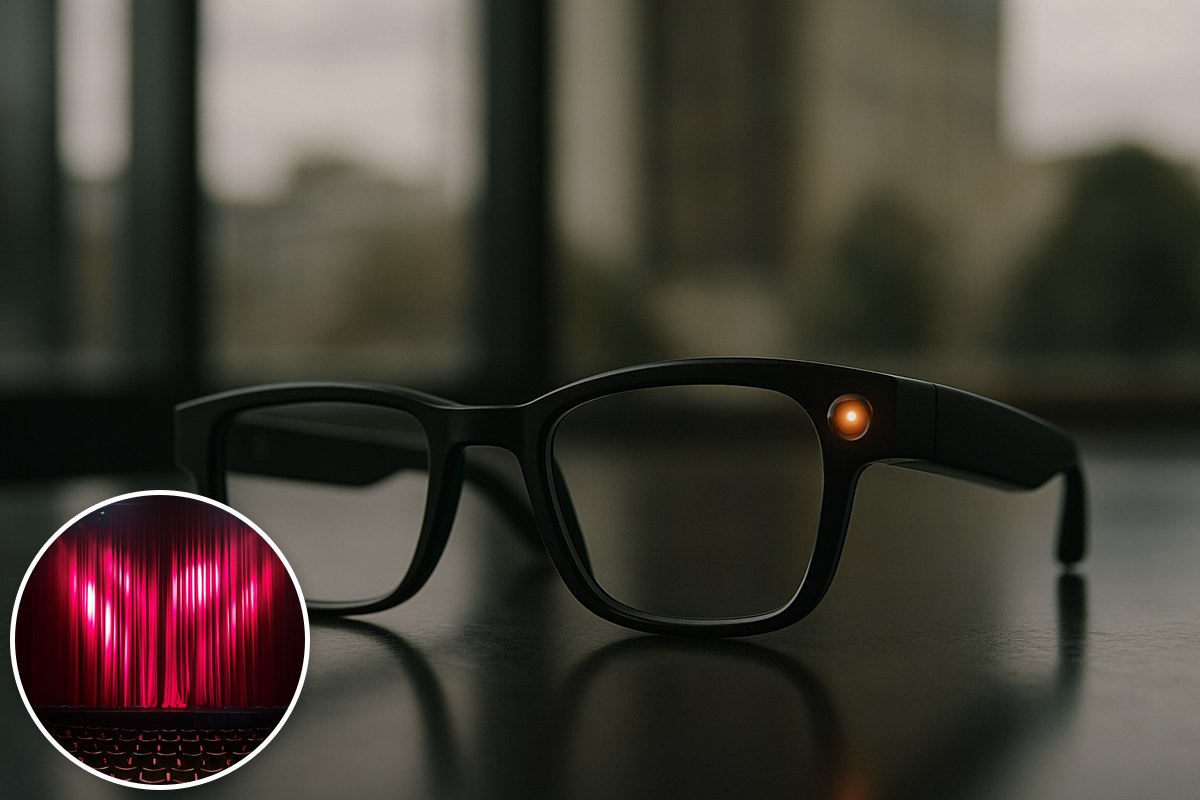
An Adelaide city councillor wants an investigation into banning or restricting camera-equipped smart glasses in parts of the city, amid concern about people being recorded without their consent. As the ABC reports, councillor Phillip Martin will put forward a motion next week seeking restrictions on glasses with built-in cameras in places like the parklands, libraries and meeting halls. "With smart glasses you have no idea somebody could be simply looking at you but recording your every action," he said.
Cr Martin is particularly worried about covert recording of women and children. "I am aware from reports to the eSafety Commissioner of men approaching women, asking them for a date, recording the response, and then using that response on social media as a dating tip," he said. "Children have a right to play within playgrounds, parklands and other areas without the threat of being recorded without their knowledge or without their parents' or guardians' consent." An investigation before any ban, he argues, is the way to draw the line: "There must be a way of determining what are legitimate glasses or spectacles, what are smart glasses, and when it is appropriate for smart glasses to be used."
The push lands amid a wave of similar moves nationally. Yarra City Council in Melbourne banned smart glasses in its playgrounds, childcare centres and gyms a week ago, and another capital-city council went further in August with a blanket ban on non-consensual use of all camera-enabled devices. Behind the rush is price: Ray-Ban Meta AI glasses cost as much as $700, but cheaper options have hit the shelves — Kmart Australia has been selling its own alternative for $89. The ABC contacted Meta and Wesfarmers, which owns Kmart, for comment; neither responded.
Adelaide's festival economy gives the debate a local flavour. Gluttony co-director Daniel Michael told 891 ABC Adelaide the Fringe venue has flagged a potential ban of its own. "If someone's got their toddler running around Gluttony while they're having something to eat, they don't exactly want some guy filming them clandestinely," he said. "A burlesque show, for example, might have rules around filming in the show for good reason. You can't allow people to bring guns and knives … so it's just about adding to that list to say, 'Look this is something that is not allowed here'."
Not everyone wants a rush to prohibition. The technology has proved transformative for blind and low-vision users, helping them identify objects and read labels, and Michael Hutchinson, chair of the See Differently Client Advisory Committee, is urging consultation first. "I really worry about the fact that people are calling these 'pervert glasses'," he said. "To have an individual cafe or a group say we're just going to ban the glasses — I would be very sad if that happens." SA Greens MP Robert Simms, who will introduce a bill to state parliament next month to ban the devices at "schools, childcare centres, playgrounds, swimming pools and gyms", says exemptions for disability aides are essential.
The federal government, for its part, said last month it is not considering an import ban — leaving the field to councils. SA's Local Government Association says the devices have legitimate uses but that "development and adoption of the technology is outpacing existing regulations", and wants state and federal governments to help set "one set of clear, consistent rules that get the balance right".